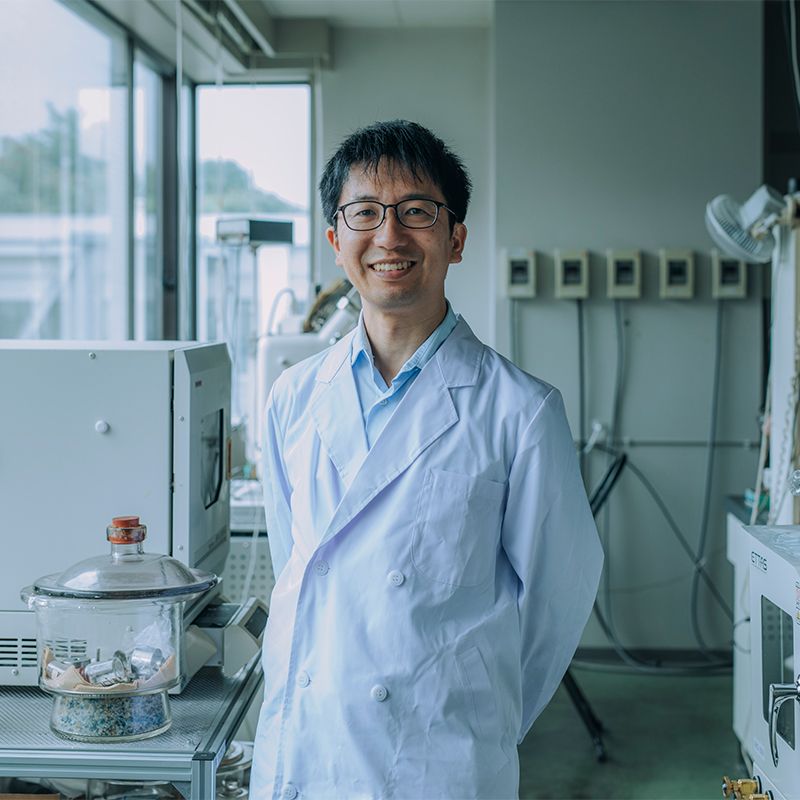

The Detail Matters: Unveiling Overlooked Parameters in the Mechanochemical Synthesis of Solid Electrolytes
Abdulkadir Kızılaslan, Mustafa Çelik, Yuta Fujii, Zheng Huang, Chikako Moriyoshi, Shogo Kawaguchi, Satoshi Hiroi, Koji Ohara, Mariko Ando, Kiyoharu Tadanaga, Saneyuki Ohno, and Akira Miura
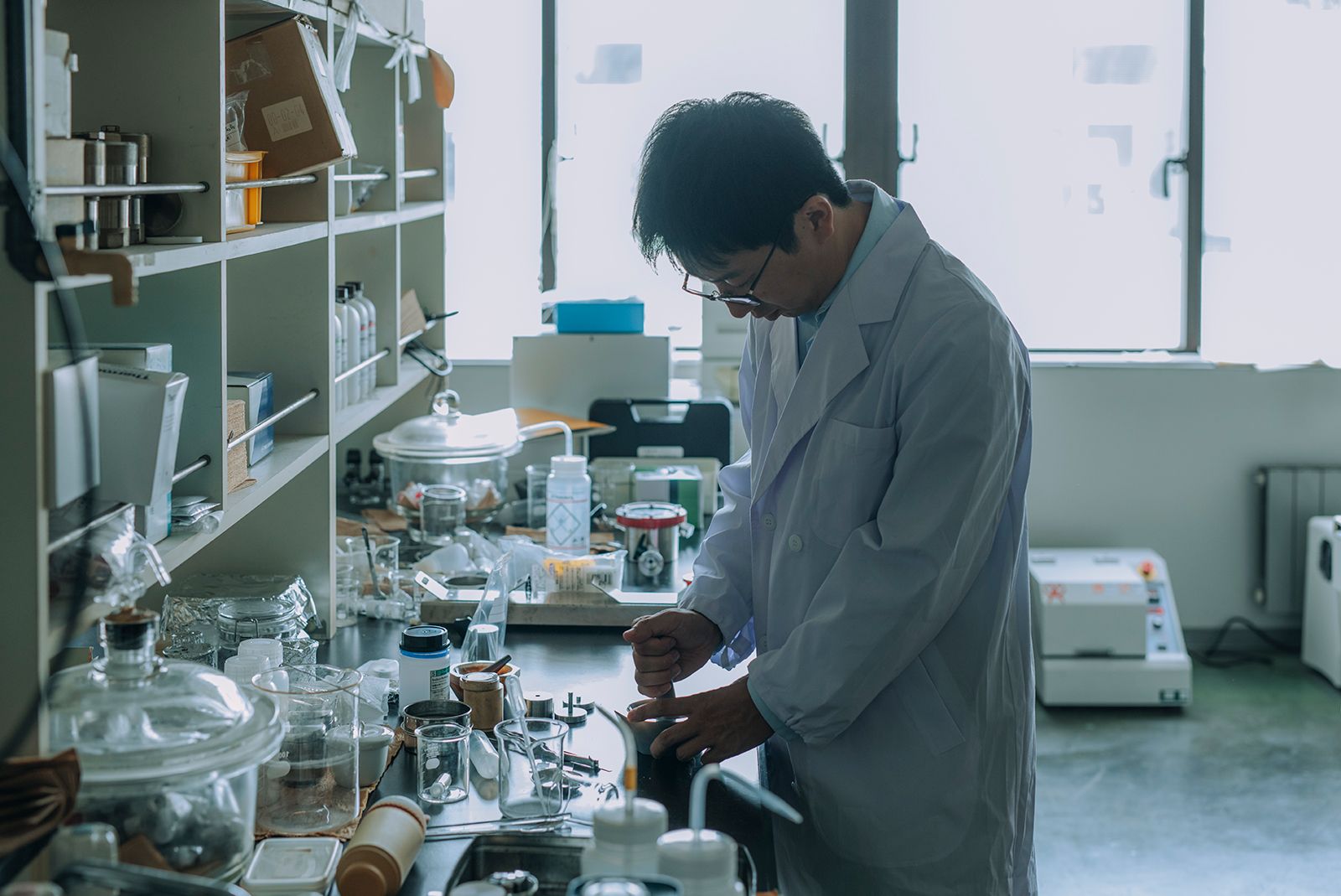
Innovation born from the unspoken:hand mixing increases the conductivity of solid electrolytes for next-generation batteries
There is something in common between material synthesis and cooking: in both, a “recipe” is essential to ensure reproducibility. But what happens when that recipe includes vague instructions such as “a pinch”? The idea of incorporating hand milling into solid electrolyte synthesis by Professor Akira Miura’s group was born from precisely such ambiguity. In the age of AI, their work reminds us of the enduring importance of empirical proof: in materials science, you don’t really know until you make it.
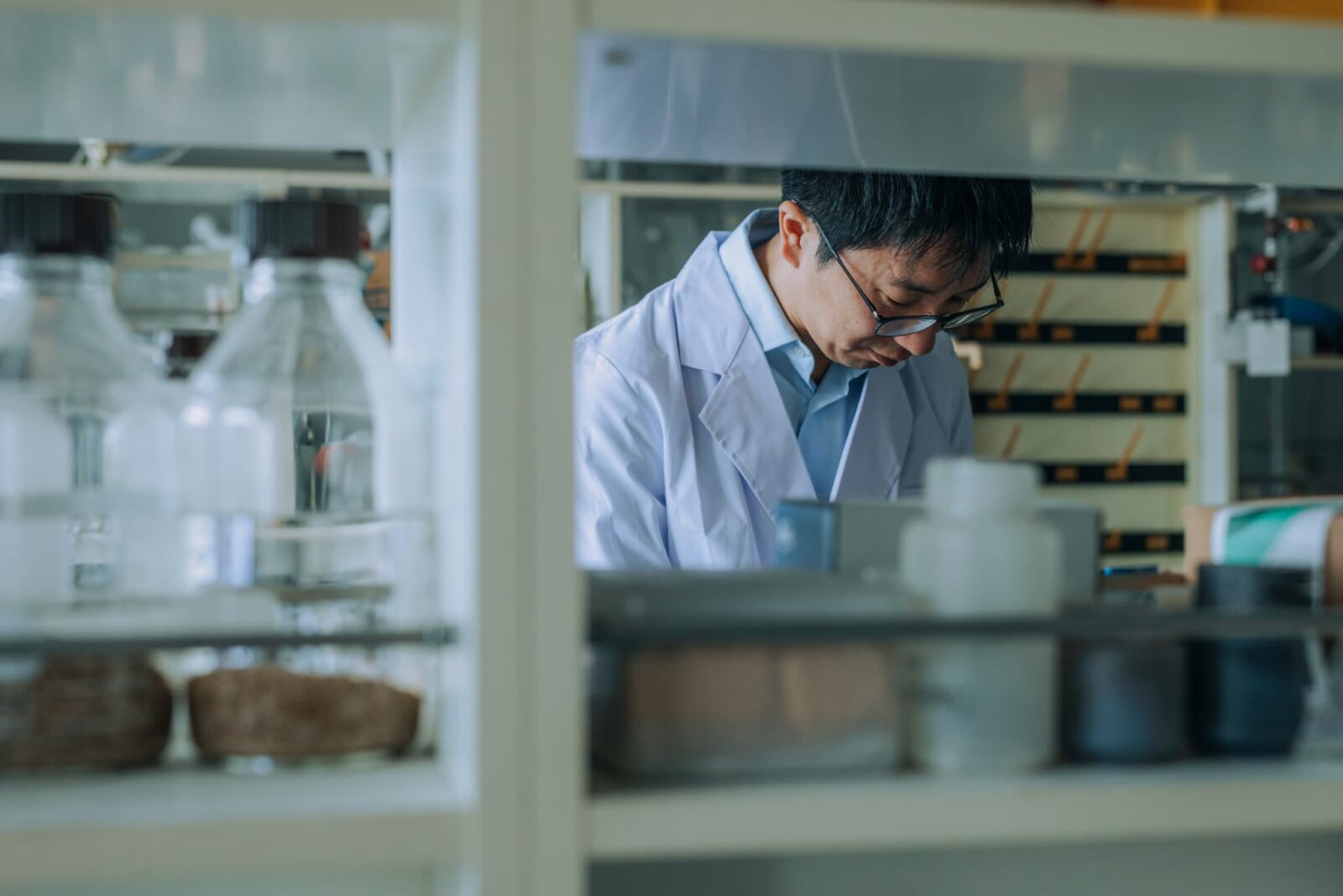
Analyzing the close relationship among synthesis, structure, and properties to create novel materials
The mission of Professor Akira Miura’s Laboratory of Structural Inorganic Chemistry is to create new materials by exploring “synthesis-structure-property relationship”, that is, by analyzing what materials are created by which methods, and how the resulting structures are linked to specific properties.
One of Professor Miura’s research themes is improving the performance of solid electrolytes for all-solid-state batteries, which are expected to replace today’s lithium-ion batteries with liquid electrolytes and revolutionize energy storage. His groups’ creative exploration of the “synthesis–structure–property” relationship provides fundamental insights that can accelerate the realization and mass production of all-solid-state batteries, a major goal for the automotive industry. Set against the broader backdrop of global efforts toward carbon neutrality, this research addresses one of the most dynamic and competitive frontiers in materials science.
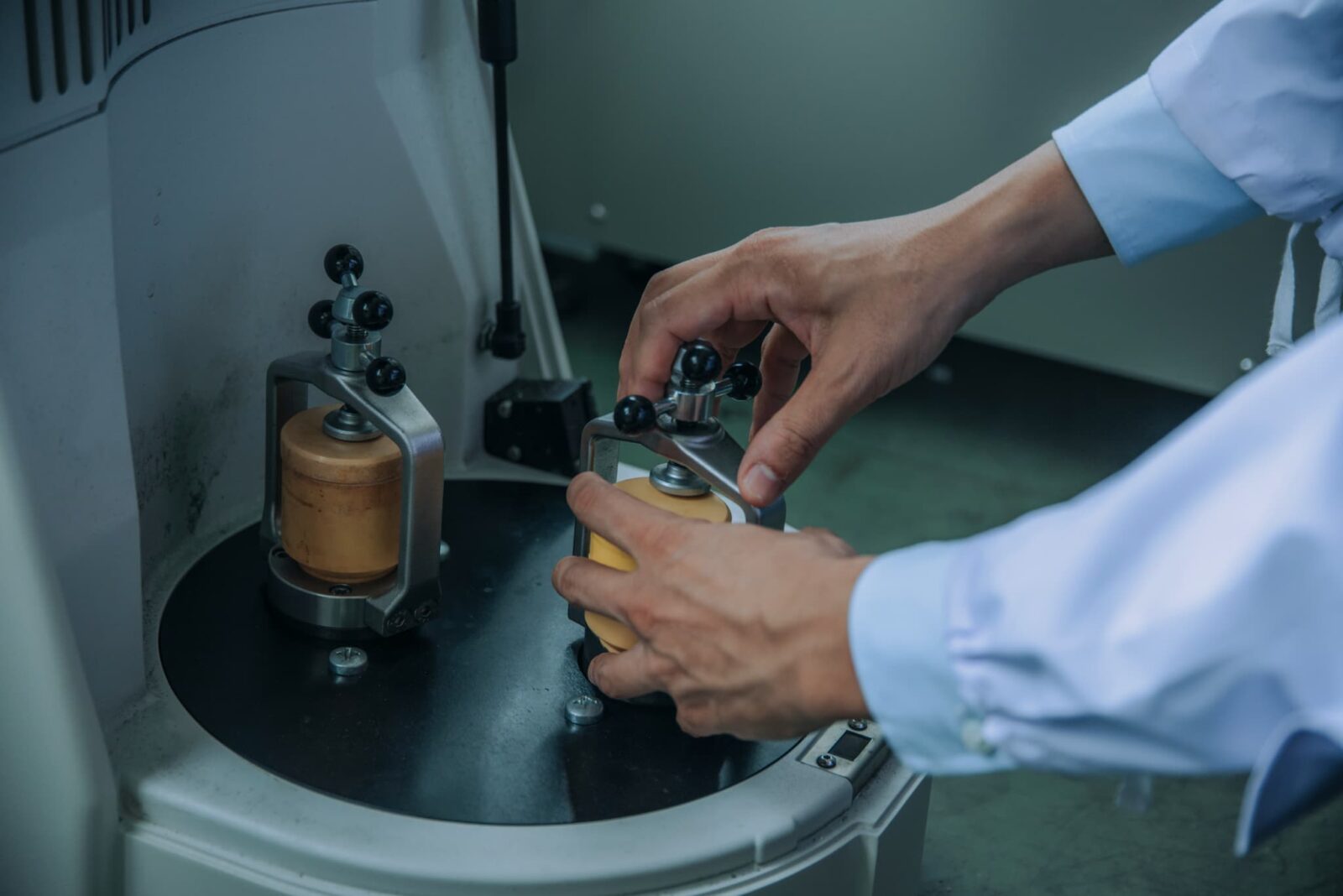
According to a report published by the Miura’s research group at the end of 2024, adding a remarkably simple pre-treatment step, hand-mixing the raw material powders with a mortar prior to ball-milling, was found to further enhance the ionic conductivity of solid electrolytes synthesized by mechanochemical methods. Similar effects have been observed across multiple solid electrolytes, and the research is now entering a new phase aimed at uncovering the detailed mechanisms behind this phenomenon.
Thinking beyond the unspoken opens new doors
“The idea that hand mixing could improve conductivity came from an unexpected source,” explains Professor Miura. One day, a visiting foreign scholar approached him with a puzzled look and said, “I conducted the synthesis exactly as described in the paper, but my results were different.” “Exactly as described in the paper?” he asked, and the researcher nodded without hesitation. A closer examination, however, revealed that he had pre-mixed the components by hand, a step not intended by the authors, since in the world of inorganic chemistry it goes without saying that “mixing” is done with a ball mill. Unknowingly breaking an unspoken convention brought about an unexpected advancement.
In the same Graduate School of Engineering, Associate Professor Koji Kubota and Professor Hajime Ito at the Laboratory of Organoelement Research set aside the conventional solvent-based methods long regarded as standard in organic synthesis and instead tried the ball mill, a tool more familiar in inorganic synthesis. The results were astonishing: the reaction rate increased by about 400 times, propelling the group to the forefront of global research. Though the fields are different, organic and inorganic, the common thread is clear: in both cases, it was the ability to break free from the “taken-for-granted” methods that made the difference.
Even in the age of AI, as a material scientist, “you can’t know it until you make it”
Generative AI powered by large language models (LLMs) is becoming part of everyday life. Text-based questions and problems can now be answered with ease. Yet, as Professor Miura points out, “The knowledge of AI are largely based on text, and it hardly learns from what has never been written as a text.”
“Take cooking, for example,” he explains. “If adding slightly smaller or bigger ‘pinch’ of seasoning can dramatically affect the outcome, then the precise quantity should be written down. In the same way, things we assume are too obvious to spell out in research papers may become obstacles to progress.” He calls for a critical re-examination of such fixed preconceptions.
Research on energy-related materials such as solid electrolytes for next-generation batteries responds directly to real-world needs. No matter how high the quality of a material, if it can only be synthesized under extreme conditions, or if the cost is too high, users will hesitate to adopt it.
“Ultimately, without employing simple manufacturing processes like hand milling, practical novel materials are hard to come by, and much of this knowledge remains untranslated into text. Therefore, even in the age of AI, there’s a lot in materials science that we won’t know until we try making it,” explains Professor Miura. He believes that hands-on experience and its clear articulation in writing are becoming ever more essential in the AI-driven world..
He emphasizes the importance of experiential learning and articulation in teaching: “Rather than letting students spend too much time stumbling over the basics, it’s more efficient to help them move on to actual synthesis experiments.” Creating things useful to society in the most efficient and practical way possible is the mission his students are also committed to.
Faculty of Engineering, Division of Applied Chemistry
Professor Akira Miura